
For years, hospitality interiors were dominated by monochrome palettes, cool minimalism, and neutral spaces designed to feel understated and refined. But in 2026, restaurant interiors are becoming noticeably warmer, softer, and more emotionally driven.
Across cafés, restaurants, and hospitality spaces, earthy palettes are replacing colder commercial interiors. Soft pinks, muted terracotta, dusty peach tones, faded greens, warm plaster finishes, natural timber, and handcrafted textures are becoming increasingly prominent in contemporary restaurant design.
The shift reflects a growing desire for spaces that feel more personal, immersive, and comforting.
As commercial interior designers in London, G Method Studio sees hospitality design moving away from purely aesthetic minimalism toward layered environments that create atmosphere, emotional connection, and memorable customer experiences.
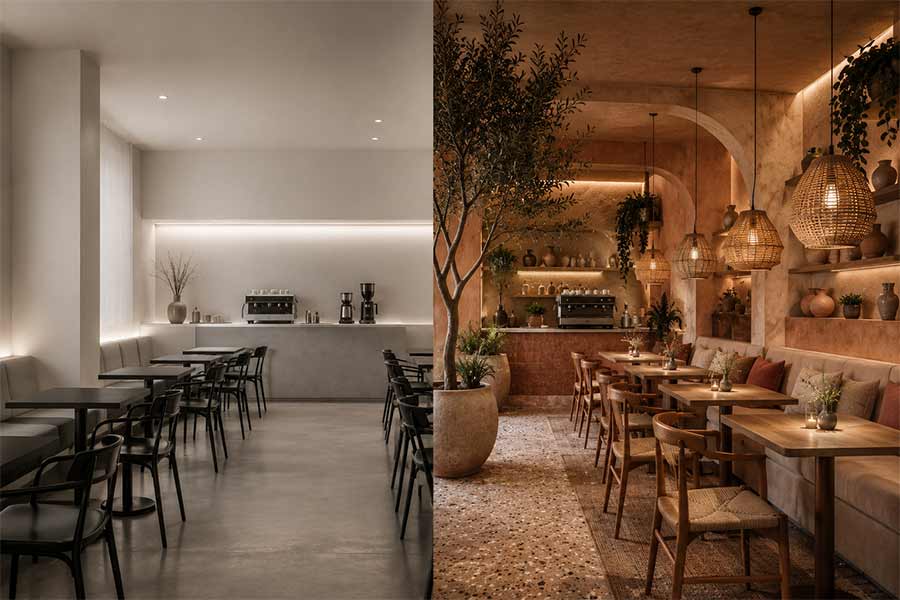
From Minimalism to Atmosphere
For years, hospitality interiors were dominated by monochrome palettes, cool minimalism, and neutral spaces designed to feel understated and refined. But in 2026, restaurant interiors are becoming noticeably warmer, softer, and more emotionally driven.
Across cafés, restaurants, and hospitality spaces, earthy palettes are replacing colder commercial interiors. Soft pinks, muted terracotta, dusty peach tones, faded greens, warm plaster finishes, natural timber, and handcrafted textures are becoming increasingly prominent in contemporary restaurant design.
The shift reflects a growing desire for spaces that feel more personal, immersive, and comforting.
As commercial interior designers in London, G Method Studio sees hospitality design moving away from purely aesthetic minimalism toward layered environments that create atmosphere, emotional connection, and memorable customer experiences.
Texture Is Becoming More Important Than Perfection
One of the biggest changes in hospitality design is the growing focus on tactility and imperfection.
Handmade tiles, limewash finishes, wicker lighting, textured fabrics, rustic ceramics, aged brass details, and natural timber are increasingly replacing glossy, overly polished commercial finishes.
This creates spaces that feel:
- More relaxed
- More human
- More authentic
- More residential in atmosphere
The result is a softer hospitality aesthetic that encourages customers to stay longer and connect more naturally with the environment.
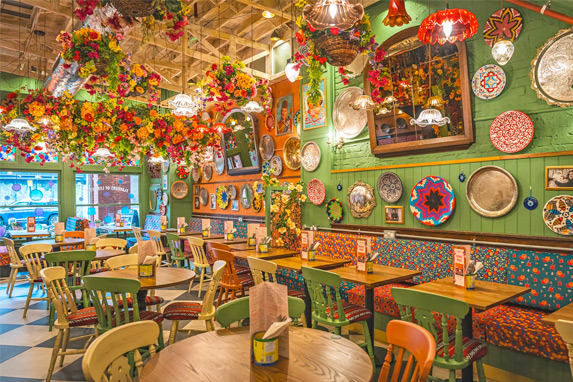
A More Grounded Approach to Hospitality Design
At G Method Studio, we often balance expressive hospitality concepts with softer, grounded material palettes depending on the brand and customer experience.
While projects such as Comptoir Libanais Stansted Airport and Comptoir Libanais Milan Malpensa explore vibrant colour palettes and layered decorative elements, our recent MIDA café concept takes a calmer and more earthy approach to hospitality interiors.
Designed around soft terracotta tones, warm plaster textures, muted green joinery, natural timber, woven lighting, terrazzo flooring, and handcrafted details, the project creates a relaxed and welcoming atmosphere inspired by Mediterranean cafés and contemporary boutique hospitality design.
The project demonstrates how earthy palettes can still feel visually rich while maintaining a softer and more refined atmosphere.
The Future of Restaurant Interiors
Hospitality design in 2026 is becoming less about rigid trends and more about emotional experience.
Guests increasingly respond to interiors that feel:
- Warm rather than corporate
- Layered rather than minimal
- Characterful rather than generic
- Calm yet visually memorable
Earthy colours, tactile materials, and softer palettes allow hospitality brands to create spaces that feel timeless, inviting, and deeply connected to their identity.
Explore our approach to restaurant interior design and discover how thoughtful hospitality interiors can strengthen both customer experience and brand identity.