
Luxury interior design is moving towards a more considered use of colour, where subtle variations, layered textures and carefully selected materials create spaces that feel both sophisticated and personal.
One approach gaining attention in 2026 is tonal decorating — the art of combining different shades and intensities of a single colour or closely related hues to create a harmonious interior.
Rather than relying on bold contrasts or statement pieces, tonal interiors create depth through subtle variation. The result is a home that feels cohesive, elegant and effortlessly comfortable.
Beyond Beige: Exploring the Tonal Palette
Tonal decorating doesn’t have to mean an entirely neutral interior.
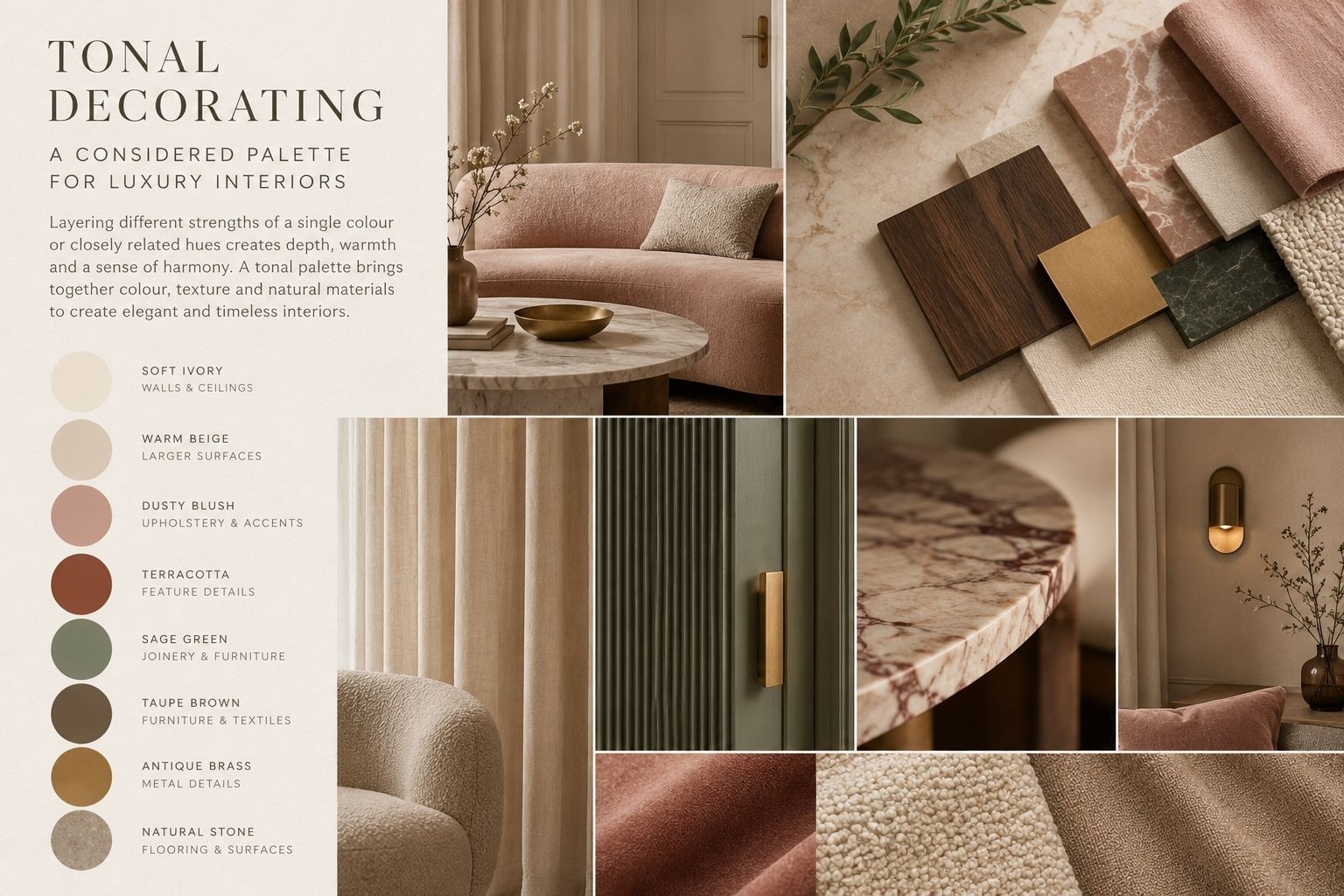
While warm creams, taupes and soft greys remain timeless choices, muted blush, dusty rose, terracotta and sage green offer opportunities to introduce warmth and individuality.
The key is to explore different strengths of colour rather than matching every surface perfectly.
A soft blush wall might be paired with deeper rose upholstery, warm timber joinery and natural stone finishes. Each element contributes to the overall palette while bringing its own character.
This approach works particularly well in luxury apartments, where a cohesive palette can help create a sense of continuity between connected living spaces.
Texture: Creating Depth Without Contrast
When working within a limited colour palette, texture becomes essential.
Natural stone, timber, linen, wool, velvet and brushed metal all reflect and absorb light differently, creating visual interest without introducing unnecessary colour.
Combining smooth and textured surfaces, matte and polished finishes, and structured and softer forms gives a room depth and personality.
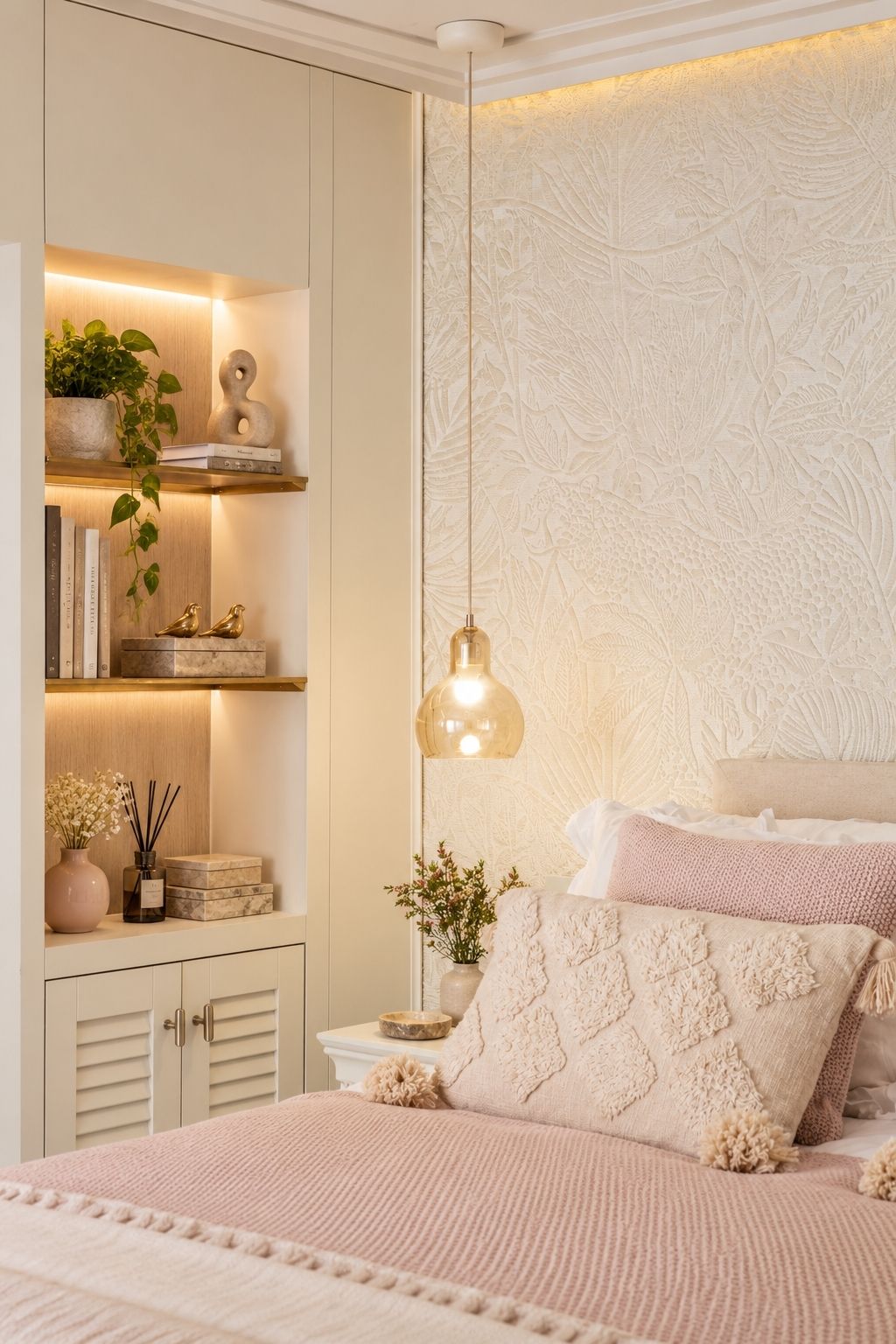
Even within a single colour family, the contrast between a textured wall finish, soft upholstery and polished marble can transform a space from flat and uniform into something layered and inviting.
The Importance of Lighting in Tonal Interiors
Lighting plays a significant role in how we experience colour.
Natural daylight can reveal subtle differences between shades, while warmer artificial lighting can soften the palette and create a more intimate atmosphere.
In London homes, where daylight conditions vary considerably throughout the year, it is particularly important to consider how colours respond to changing light.
Layered lighting — combining architectural lighting, decorative fixtures and concealed illumination — can enhance textures and bring depth to tonal interiors throughout the day.
A Considered Approach to Luxury Residential Design
At G Method Studio, we believe that successful residential interiors should reflect the people who live in them rather than simply follow a particular trend.
Our approach to residential interior design combines thoughtful spatial planning, carefully selected materials and bespoke detailing to create homes that feel both functional and individual.
Projects such as our Penthouse in Marylebone demonstrate how a soft, cohesive palette can create an elegant atmosphere throughout a home. Light neutral tones, delicate blush accents, bespoke joinery and layered lighting bring warmth and sophistication while complementing the character of the Grade II listed building.
Similarly, House in Highgate offers an opportunity to explore how a restrained palette can be balanced with carefully considered moments of colour and contrast.
Drawing on our experience as a commercial interior design studio, we apply the same attention to functionality, materiality and spatial relationships to private
Creating Timeless Interiors Through Colour
Tonal decorating is not about using less colour, but about using it more thoughtfully.
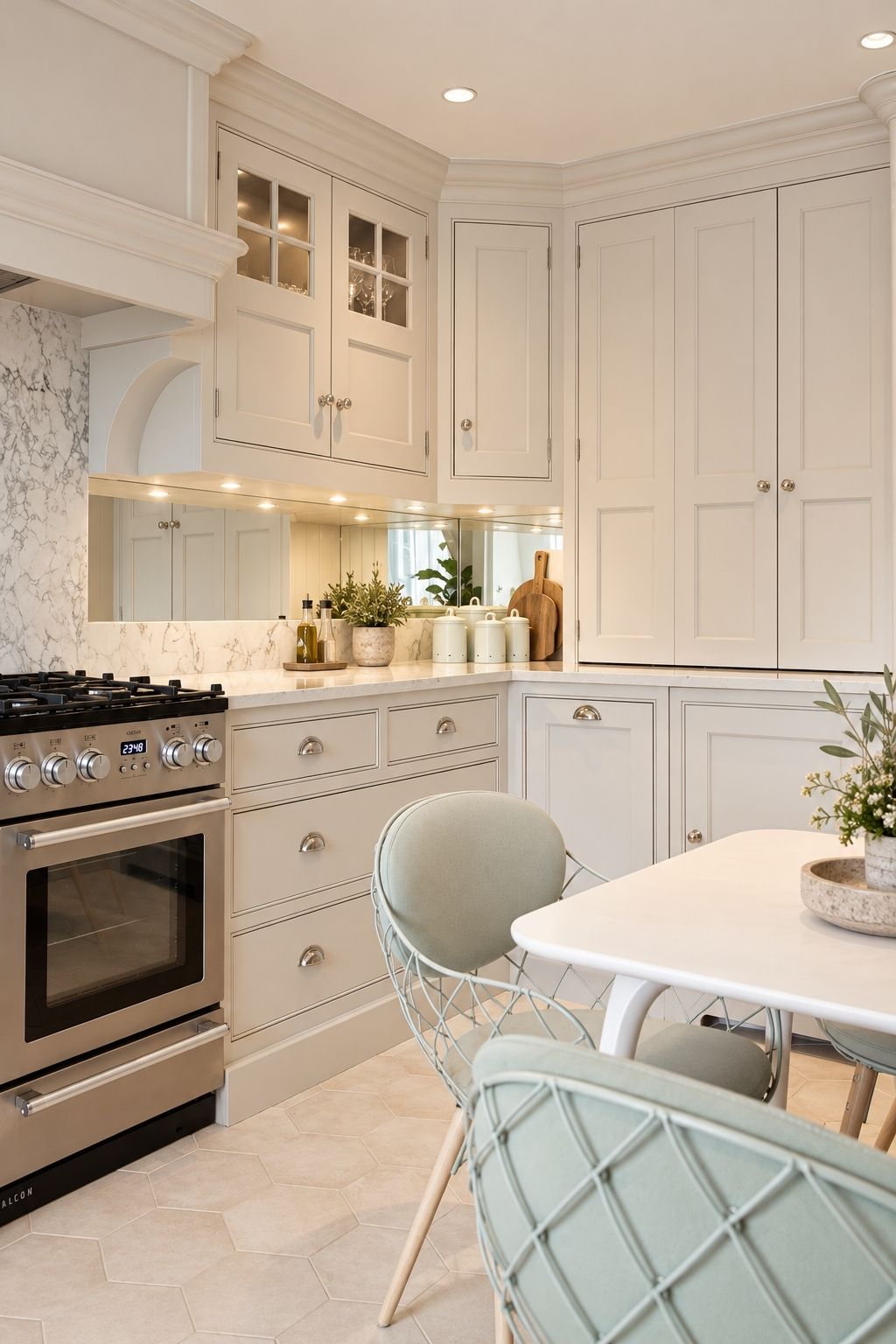
By layering shades, textures and materials, designers can create interiors that feel calm without becoming monotonous, sophisticated without appearing formal, and luxurious without being overstated.
Ultimately, the most successful tonal interiors are those that balance visual harmony with comfort, individuality and the everyday experience of living in the space.